
Why Probiotics Alone May Not Be Enough for Your Child’s Gut Health
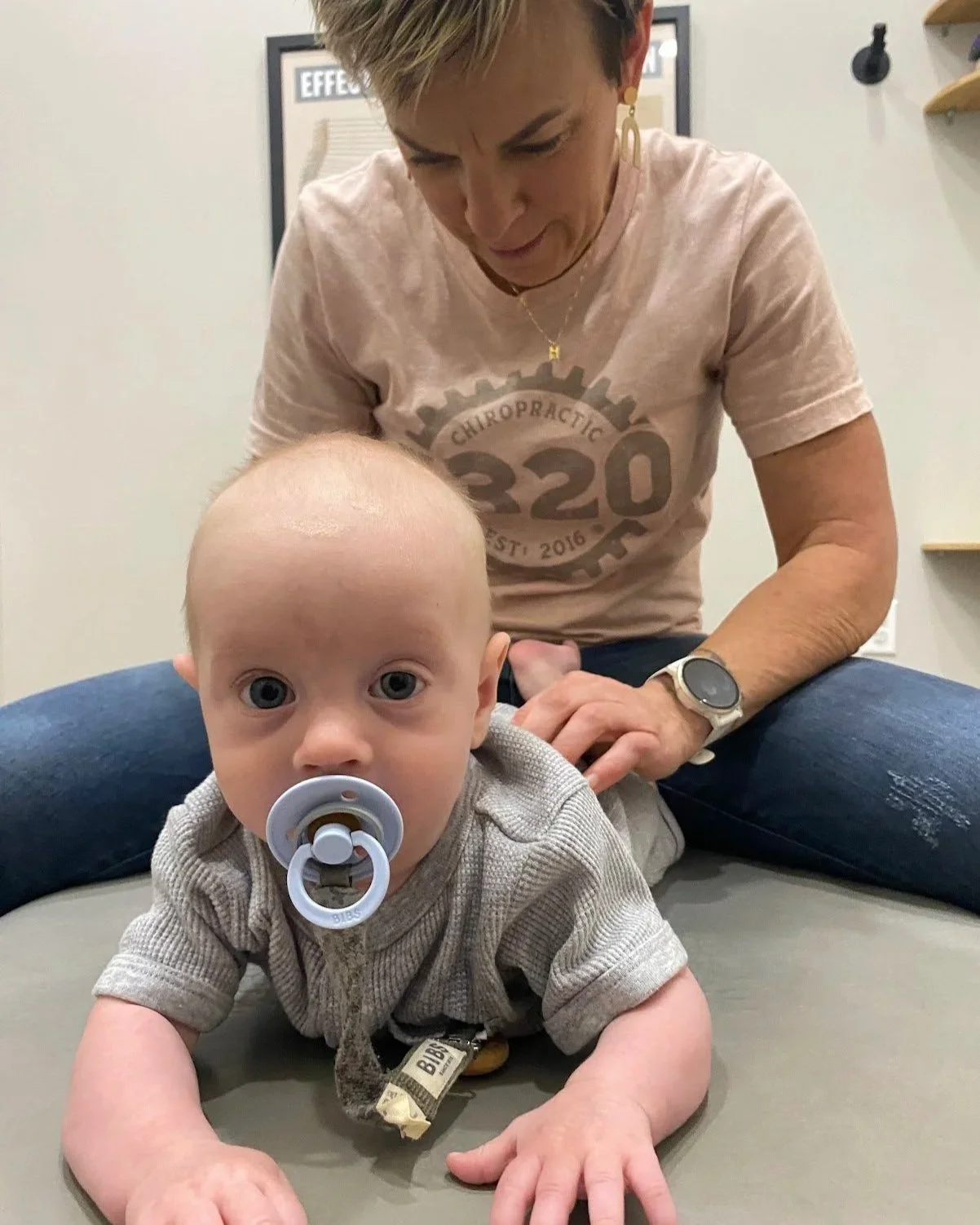
You have cleaned up the diet, read every ingredient label, tried probiotics, added enzymes, removed certain foods, and spent more time thinking about your child’s digestion than you ever expected. Yet the stomachaches, constipation, eczema, picky eating, sleep struggles, or big emotional reactions are still there.
For many families, that is when gut health becomes incredibly frustrating. You are putting good things into the body, but the results do not seem to match the effort.
Probiotics, nutrition, hydration, movement, and other gut-supportive strategies can absolutely matter. But digestion does not operate independently from the rest of the body. The brain, autonomic nervous system, vagus nerve, immune system, and digestive tract are constantly communicating with one another.
At E320 Chiropractic, that is why we look beyond the gut itself. Sometimes the next question is not, “What else should we add to the diet?” but, “How well is the nervous system regulating the digestive process in the first place?”
Gut Health Is About More Than the Gut
When parents think about poor gut health, they usually think about obvious digestive symptoms such as constipation, diarrhea, bloating, reflux, gas, or recurring stomachaches. But the digestive system interacts closely with the immune system, nervous system, endocrine system, and brain, which is one reason gut challenges may appear alongside concerns that seem unrelated at first.
Some children with digestive struggles also deal with poor sleep, frequent illnesses, skin irritation, food sensitivities, irritability, anxiety, sensory challenges, or difficulty focusing. That does not mean every one of those symptoms originates in the gut, and it does not mean improving digestion will automatically resolve them.
What it does tell us is that the body works as an interconnected system.
Instead of looking at constipation as one issue, sleep as another, behavior as another, and immune challenges as something completely separate, we want to understand whether there is a broader pattern affecting how the child's body is regulating and adapting.
The Brain-Gut Connection Goes Both Ways
You have probably heard of the gut-brain connection, but it is more accurate to think of it as a two-way communication system.
The digestive tract sends enormous amounts of sensory information back to the brain, while the brain and autonomic nervous system also influence digestion through signals that help regulate motility, secretion, blood flow, and other digestive processes.
The vagus nerve is an important part of that communication.
As one of the major pathways of the parasympathetic nervous system, the vagus nerve helps connect the brain with organs throughout the chest and abdomen and plays a role in the body's shift toward rest, digestion, and recovery.
This is why stress can affect your stomach even as an adult. Think about the nervous feeling before a presentation or the way your appetite disappears during an intense season of life. Your digestive system did not suddenly forget how to digest food. Your nervous system changed the environment in which digestion was taking place.
Children are no different.
Why Fight-or-Flight Can Affect Digestion
The sympathetic nervous system helps the body respond to challenge. We often describe it as the gas pedal because it mobilizes energy and prepares the body for action.
The parasympathetic nervous system supports many of the functions associated with rest, recovery, and digestion.
Both are necessary. The goal is not for a child to remain parasympathetic all day. A healthy nervous system should be able to activate when needed and then transition back toward recovery when the demand has passed.
Problems can arise when a child spends so much time in a heightened stress response that their nervous system has difficulty making that transition.
If the body continually perceives that it needs to prioritize survival and alertness, digestive processes may not receive the same physiological priority they would during a more regulated state. That can be one reason we become interested in nervous system function when a child's digestion remains difficult despite thoughtful nutritional support.
The Perfect Storm and Your Child’s Gut Health
At E320 Chiropractic, we often talk about the Perfect Storm as the accumulation of stressors that may place increasing demands on a developing nervous system.
We are not looking for one event to blame. Instead, we want to understand the whole story.
That history may include significant prenatal stress, a challenging birth, early feeding or sleeping difficulties, reflux or colic, illnesses, medications such as antibiotics when medically necessary, sensory stress, emotional stress, environmental factors, or other experiences that required a child's nervous system to continually adapt.
The microbiome is also influenced by many factors, including diet, medications, environment, illness, and early-life exposures. Antibiotics, for example, can be important and sometimes necessary for bacterial infections, while also temporarily changing the composition of the gut microbiome.
No single factor tells us why a child has digestive challenges today. But looking at the accumulation can help us understand why simply adding another probiotic may not address the entire picture.
Why Great Nutrition Can Still Reach a Plateau
We see families who have put an incredible amount of effort into nutrition. They have changed the pantry, eliminated certain foods, added supplements, worked with specialists, and found probiotics their child tolerates well.
Sometimes those changes make a meaningful difference. Sometimes progress begins and then seems to stall.
A plateau does not automatically mean the nutrition plan failed. It can be useful information that there may be another piece of the system worth evaluating.
Digestion depends on far more than which foods or supplements enter the body. The nervous system influences motility, digestive secretions, blood flow, stress physiology, and communication between the brain and digestive tract.
So when a child continues to struggle despite excellent nutritional support, we become curious about whether their autonomic nervous system has the adaptability needed to support digestion efficiently.
That does not make nervous system dysregulation the “root cause” of every digestive problem. It simply means neurological regulation may be an important part of the picture that has not yet been evaluated.
Probiotics Still Have an Important Role
Looking at the nervous system does not mean throwing out the probiotic, abandoning the nutrition plan, or deciding that gut-focused care does not matter.
Probiotics can be helpful in certain situations, and nutrition is foundational to health. Many families also benefit from working with pediatricians, gastroenterologists, dietitians, functional medicine providers, feeding therapists, and other professionals depending on what their child needs.
At E320 Chiropractic, our goal is not to replace those approaches.
We are asking a different question: Is the nervous system creating an environment where the body can effectively use the support you are already giving it?
For some families, looking at both the gut and nervous system creates a more complete picture than focusing on either one by itself.
How We Evaluate Nervous System Function at E320 Chiropractic
We use Neurological INSiGHT Scans to objectively evaluate patterns of nervous system function, regulation, and adaptability.
The NeuroThermal Scan helps us evaluate patterns associated with autonomic nervous system function. The NeuroSpinal EMG gives us information about neurological tension, energy expenditure, and organization. Heart Rate Variability, or HRV, gives us additional information about autonomic adaptability and how effectively the nervous system transitions between sympathetic activation and parasympathetic recovery.
Together, these scans help us understand whether the nervous system appears flexible and adaptable or whether it may be working much harder than expected just to manage everyday demands.
They do not diagnose constipation, reflux, food sensitivities, eczema, or gastrointestinal disease. They give us information about nervous system function so we can determine whether regulation and adaptability may be another useful part of the child's health picture.
Supporting the Nervous System Alongside Gut Health
Neurologically-Focused Chiropractic Care is not designed to replace nutritional support or medical care for digestive concerns. Our focus is supporting the neurological systems involved in regulation and adaptability.
At E320 Chiropractic, care is individualized based on the child's history and Neurological INSiGHT Scan findings. Through gentle, specific adjustments, we work to support healthier nervous system organization and help the system become more adaptable over time.
As neurological regulation improves, some families notice changes in areas such as digestion, sleep, comfort, or their child's ability to handle everyday stress. Every child is different, which is why we continue measuring nervous system function instead of assuming one response or timeline for everyone.
The bigger goal is not simply to make a child poop more regularly or tolerate one additional food. We want to understand the neurological foundation that helps the entire body adapt and function.
Keep Doing the Good Work
If you have already made thoughtful changes to your child's diet, supported their microbiome, prioritized sleep, encouraged movement, and tried to reduce unnecessary stress, that work still matters.
You do not need to throw everything out and start over.
You may simply need to look at another part of the picture.
If probiotics, dietary changes, and other gut-health strategies have helped somewhat but your child continues to struggle with digestion, sleep, immune challenges, or regulation, it may be worth asking how well their nervous system is adapting too.
At E320 Chiropractic, Neurological INSiGHT Scans give us an objective place to start that conversation. From there, we can better understand how the nervous system is functioning and whether Neurologically-Focused Chiropractic Care may be a helpful addition to the support your family is already using.
Because sometimes the next step in supporting your child's gut is not another supplement. It is understanding the nervous system that is communicating with it every day.
