
Why Your Child Can’t Sleep (And What’s Actually Going On)
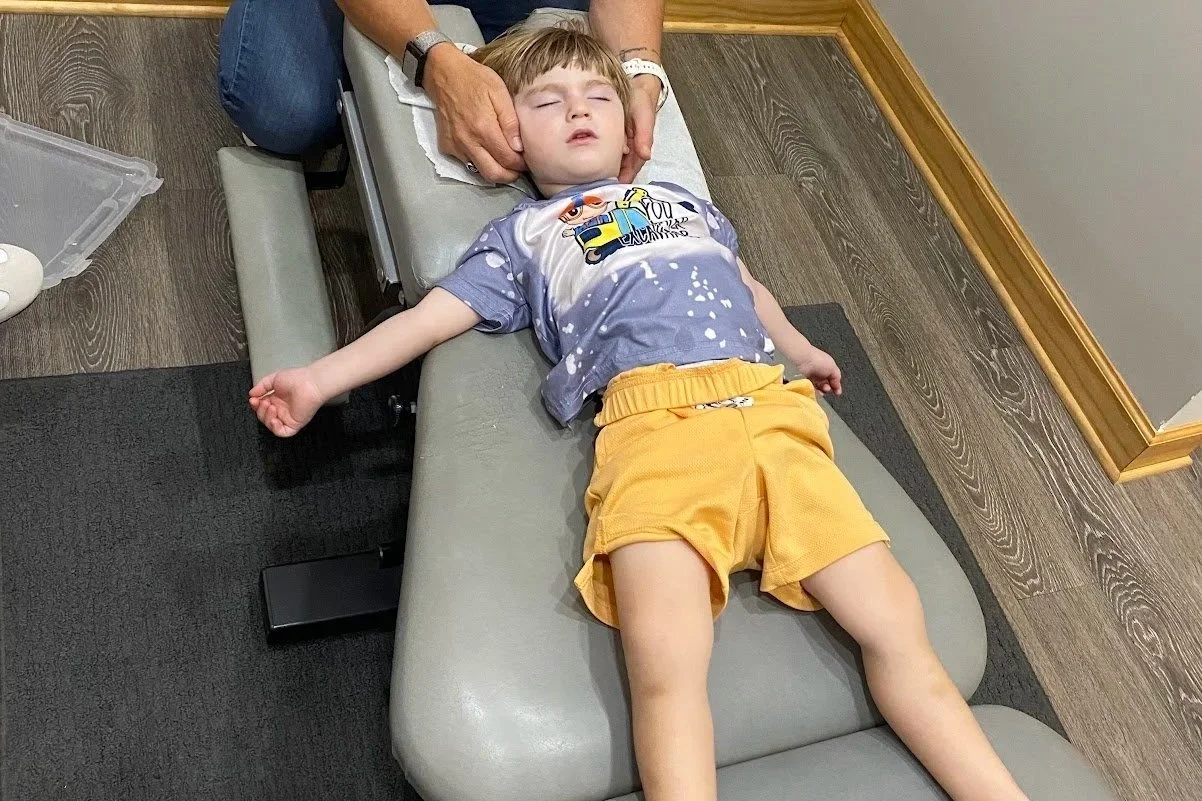
If your evenings feel like a cycle of trying everything and still ending with a wide-awake child, you’re not alone.You’ve adjusted bedtime routines, made the room darker, tried supplements, added white noise, and stayed consistent. And still… your child is lying there, clearly exhausted, but unable to fall asleep.At some point, it starts to feel confusing — maybe even frustrating.But here’s the piece most families haven’t been told: this isn’t usually a routine issue, and it’s not a behavior issue either. More often, it’s a nervous system issue.At E320 Chiropractic, this is something we see often. And once you understand what’s happening underneath it, the pattern starts to make a lot more sense.
Sleep Is Foundational — Not Optional
Sleep is often thought of as rest, but for kids, it’s one of the most active and important parts of their development.While your child is asleep, their body is organizing what they learned during the day, releasing growth hormone, strengthening the immune system, processing emotions, and restoring energy.Sleep isn’t a bonus. It’s the foundation everything else is built on.When sleep is off, it tends to show up everywhere else — behavior, focus, digestion, and overall resilience.
Why Some Kids Can’t “Shut Off”
Most sleep advice focuses on routines and environment. And those things can absolutely help.But they don’t explain why some kids follow a perfect routine and still struggle to fall asleep.The missing piece is how the nervous system is functioning.Your child’s body is constantly shifting between an alert state that keeps them engaged and a calm state that allows rest and sleep. Sleep only happens when the body can move into that calm, regulated state.When that shift doesn’t happen easily, your child may feel tired but still be unable to settle.
The “Wired but Tired” Pattern
This is one of the most common things parents describe.Their child is clearly exhausted, but instead of winding down, they seem more alert, more emotional, or more restless.It’s not that they won’t sleep. It’s that their body can’t fully shift into sleep mode.Their nervous system is still running as if it needs to stay on.
Where This Pattern Often Begins
For many children, sleep challenges don’t start at bedtime. They start much earlier.We often see a combination of factors that influence how well a child’s nervous system regulates, including:
- Stress during pregnancy
- Birth experiences that place strain on the upper neck and nervous system
- Early digestive challenges like reflux or constipation
- Frequent illness or antibiotic use
- Ongoing sensory or environmental stress
None of these guarantee sleep issues on their own. But over time, they can make it harder for the nervous system to shift into rest.And when that shift is difficult, sleep is often one of the first places it shows up.
When Sleep Struggles Affect the Whole Day
Sleep challenges don’t stay at night. They tend to spill into the entire day.Parents often notice difficulty focusing, increased emotional reactions, frequent illness, digestive issues, or sensory sensitivities.One of the most important things to understand is that tired kids don’t always look calm. They often look hyper, reactive, or “busy.”That’s not misbehavior. It’s a nervous system that hasn’t had the chance to reset.
Why Common Sleep Solutions Fall Short
Routines, supplements, and sleep tools can support better sleep, but they don’t change how the nervous system is functioning.If the system is stuck in a heightened state, those strategies can only go so far.This is why many families feel like they’re doing everything right but still not seeing consistent results.
How We Approach Sleep at E320 Chiropractic
At E320 Chiropractic, we take a different approach by looking at nervous system regulation first.Using INSiGHT scans, we can measure how much stress the nervous system is under, how well your child adapts and recovers, and whether their system can shift into a calm, regulated state.These scans are gentle and non-invasive, but they give us clear insight into what’s happening beneath the surface.From there, Dr. Rhonda provides specific, gentle adjustments designed to support better communication between the brain and body.As that communication improves, families often notice:
- Falling asleep more easily
- Deeper, more consistent sleep
- Fewer night wakings
- Better mood and emotional regulation
- Improved focus and behavior
Sleep is often one of the first areas to improve because it reflects how well the nervous system is regulating.
A Better Way Forward
When a child can access deep, restorative sleep, everything else becomes easier. Learning improves, emotions stabilize, the immune system strengthens, and daily life feels more manageable.If your child is struggling with sleep, it doesn’t mean you need to keep trying more strategies.It often means their nervous system needs support.
Ready for Answers?
If you’re looking for a deeper, root-focused approach to your child’s sleep challenges, our team at E320 Chiropractic would love to help.A consultation and INSiGHT scan can help you understand how your child’s nervous system is functioning and whether it’s contributing to what you’re seeing.Because your child doesn’t need to keep pushing through exhaustion.They deserve to rest, reset, and feel like themselves again.