
The Health Test Your Pediatrician Isn’t Running (But Should Be)
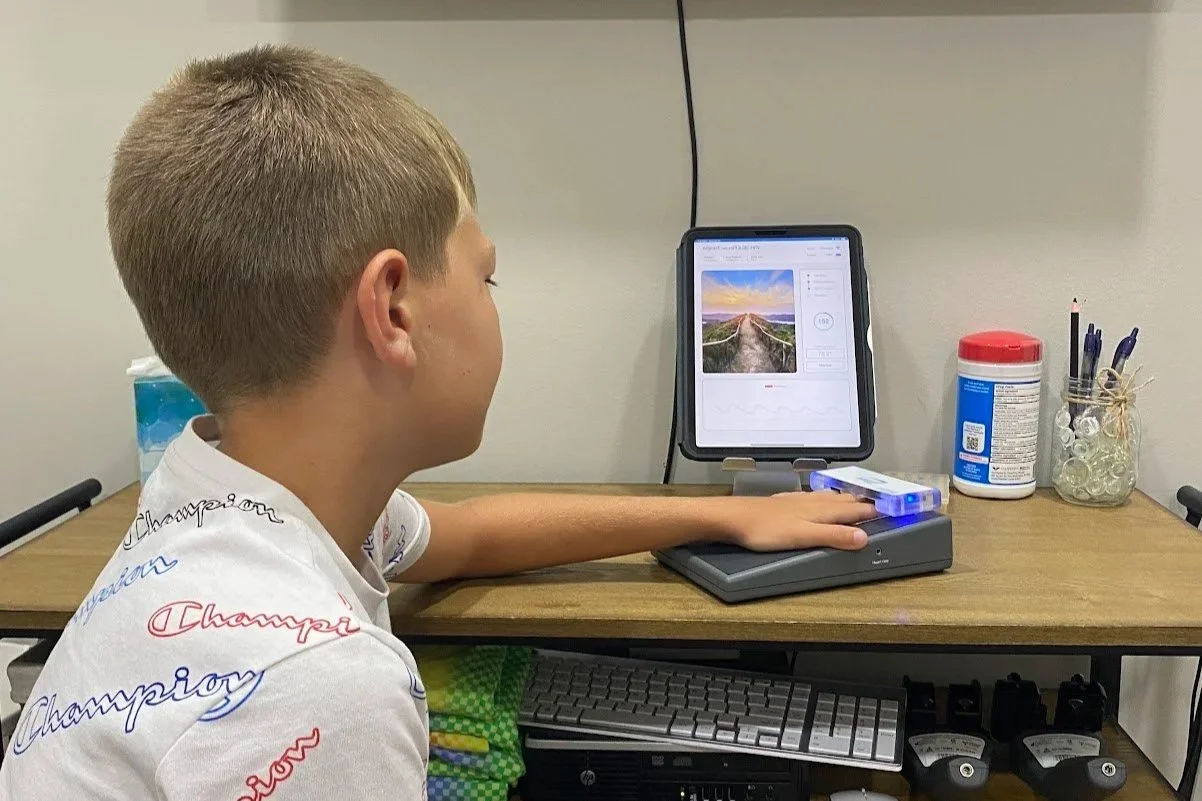
We hear this often from parents at E320 Chiropractic:“We’ve seen every specialist. We’ve run every test. But no one can tell us why our child is struggling.”If that sounds familiar, you’re not alone.Maybe your child has dealt with chronic ear infections, speech delays, sensory meltdowns, focus challenges, digestive issues, or sleep struggles that just won’t resolve. You’ve done the blood work. Maybe an MRI. Possibly an EEG. And everything comes back normal.Yet your child is still clearly not thriving.That disconnect is frustrating. And it’s not because you’ve missed something. It’s because there’s a critical piece most traditional testing never measures.
The Gap in Traditional Pediatric Care
Modern pediatric medicine is excellent at identifying disease and structural damage. It’s designed to answer questions like:
- Is there an infection?
- Is there structural damage?
- Is there a serious neurological disorder?
Those are important questions.But there’s another question that often goes unasked:How well is your child’s nervous system actually functioning?Your pediatrician carefully tracks height, weight, and growth percentiles at every visit. But the system responsible for coordinating digestion, immunity, sleep, emotional regulation, motor development, focus, and behavior rarely gets measured directly.And that system — the nervous system — is the master control center.
Why “Normal” Results Don’t Mean Everything Is Fine
Many developmental and behavioral challenges occur in children with completely normal lab work and imaging.That’s because traditional tests are designed to detect pathology — not dysfunction.There’s a difference between asking whether something is broken and asking whether it’s working optimally.Think about a car. It can technically start and drive even if it’s been “totaled” — but it may stall, misfire, or run rough. The same principle applies to your child’s nervous system. It may not show disease, but it may not be regulating efficiently.And when regulation is off, the symptoms show up in all kinds of ways.
What INSiGHT Scans Actually Measure
At E320 Chiropractic, we use INSiGHT technology to evaluate nervous system function directly.These scans provide three objective windows into how your child’s body is adapting to stress:
- The NeuroThermal scan evaluates autonomic balance and how stress may be affecting digestion, immune response, and organ regulation.
- The NeuroSpinal EMG scan measures muscle tension patterns along the spine, helping us understand whether the nervous system is in a state of overdrive or imbalance.
- The Heart Rate Variability (HRV) scan assesses adaptability — essentially how well the nervous system shifts between stress mode and rest mode.
Together, these scans allow us to see patterns that traditional imaging and lab work simply do not evaluate.
Stress Patterns That Explain So Much
When we analyze scan results, we often see predictable stress patterns.Some children show signs of a nervous system stuck in overdrive. These kids may struggle with anxiety, hyperactivity, emotional outbursts, or difficulty sleeping.Others show patterns of disorganization and poor coordination within the nervous system. These children may experience low tone, focus challenges, sensory sensitivities, or developmental delays.Many show a combination of both, which explains why symptoms can seem scattered and confusing.These patterns aren’t random. They usually reflect accumulated stress over time.
How Early Stress Shapes the Nervous System
We frequently see nervous system dysregulation develop after what we call a “perfect storm” of early stressors, including:
- Pregnancy stress
- Birth interventions or prolonged labor
- Early infections or repeated antibiotic exposure
- Environmental and emotional stress
Each stressor alone may not cause dysfunction. But layered together, they can leave the nervous system operating in survival mode.When that happens, digestion slows. Sleep becomes disrupted. Emotional regulation weakens. Focus becomes harder. The immune system becomes reactive.And yet, standard tests still say “normal.”
Why Therapies Sometimes Stall
Many families are doing everything right. Speech therapy. Occupational therapy. Behavioral support. Dedicated effort at home.But progress feels slow.When the nervous system is dysregulated, it’s like trying to build skills on a shaky foundation. The brain and body can’t fully integrate what therapy is teaching.When we first reduce stress patterns in the nervous system, other therapies often become more effective. Parents frequently notice improvements in sleep, digestion, mood, focus, and resilience within weeks — and follow-up scans objectively show the nervous system shifting toward balance.
From Guessing to Knowing
One of the most reassuring aspects of INSiGHT scans is that they replace guesswork with data.Instead of wondering whether things are improving, families can see measurable changes in nervous system function over time.It moves the conversation from “Let’s just wait and see” to “Here’s what’s happening, and here’s how we support it.”
Your Child Isn’t Broken
If your child has been given multiple labels without meaningful progress, hear this clearly:They aren’t broken.More often, they’re stuck in patterns of stress and dysregulation that can be supported and improved.The nervous system is adaptable. When we identify where stress is being held and reduce that interference, children often show progress in ways that surprise even their parents.
You Deserve More Than “Wait and See”
If you’re tired of being told to wait it out or hoping your child will grow out of it, you deserve a more complete picture.If you’re local to Anderson or the Upstate of South Carolina, our team at E320 Chiropractic would be honored to support your family. A consultation and INSiGHT scan can provide objective insight into how your child’s nervous system is functioning and whether stress patterns are contributing to their challenges.Because your child deserves more than symptom management.They deserve the chance to flourish. 💚